Researchers, alumni, faculty, and students in the fields of healthcare innovation, computational modeling, and artificial intelligence gathered on Oct. 29 for the 2026 Sikand Symposium at Cal State LA.
With the theme of “AI and Sustainable Healthcare Systems: Intelligent Infrastructure and Precision Medicine,” the symposium brought together speakers from Cal State LA, UCLA, Cedars-Sinai Medical Center, and the Sikand Foundation to share their expertise on how computational modeling and artificial intelligence can advance healthcare innovation.
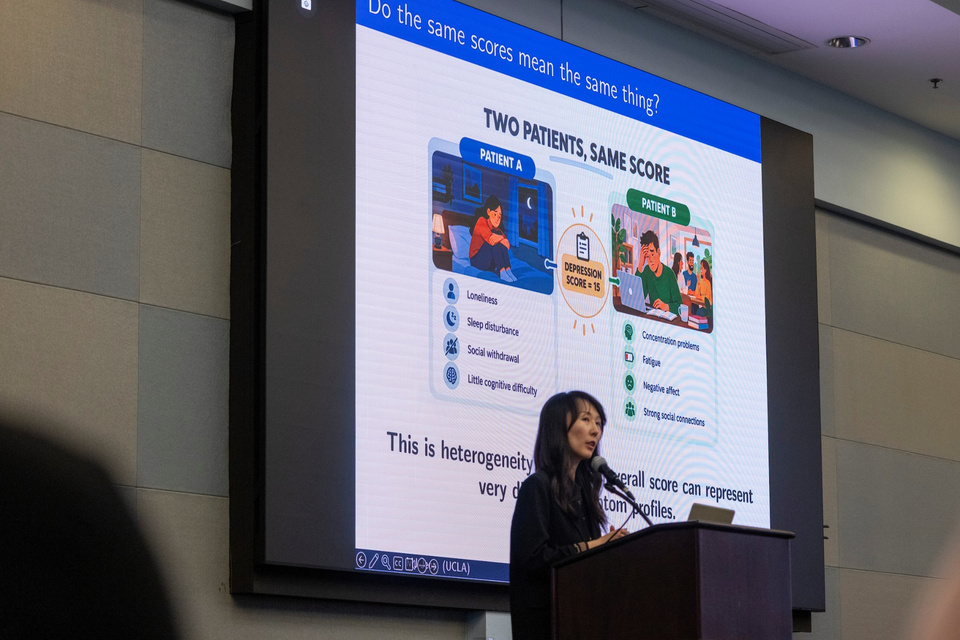
The keynote speaker for the symposium, Minjeong Jeon, a professor of advanced quantitative methods at the UCLA School of Education and Information Studies, kicked off the event with her presentation.
Jeon discussed her research on measurement science and how network approaches can connect patients and symptoms more accurately. In layman’s terms, people with the same condition—depression, in the case of Jeon’s study—do not necessarily exhibit the same symptoms.
Jeon’s proposed model and graphs aim to help researchers better understand the differing health cases of people who are dealing with medical conditions.
Jeon also discussed the use of artificial intelligence models in these applications and precision medicine, but emphasized that “AI is only as clinically meaningful as the measurement system behind it.” She hopes student researchers “think about measurement” more precisely when they conduct studies in these fields and work with their data.
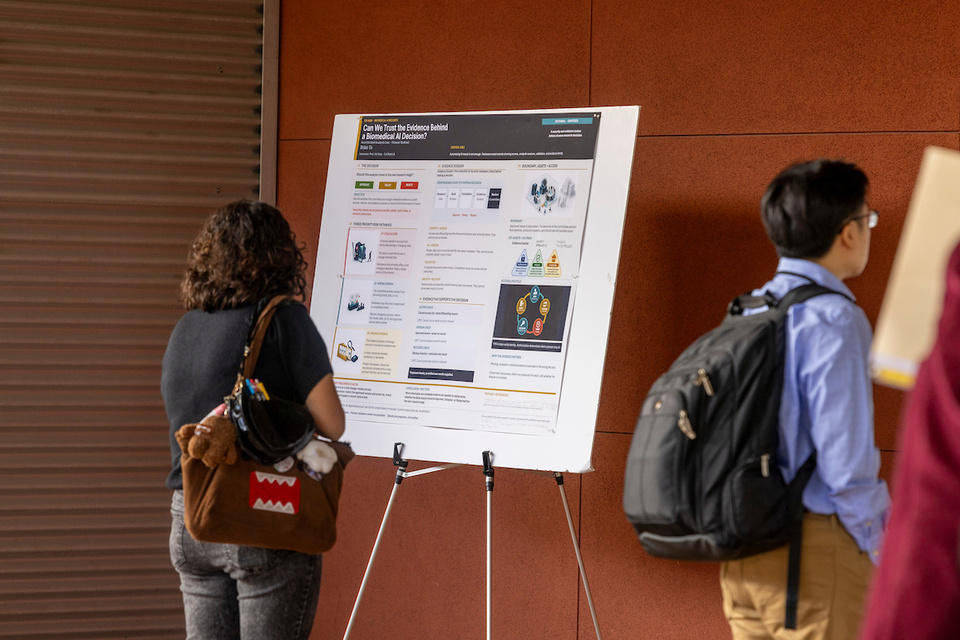
Student researchers also showcased their collaborative projects during a poster session.
One was a study that Cal State LA student researcher Brian Ta worked on, entitled “Can We Trust the Evidence Behind a Biomedical AI Decision?”
In his presentation, Ta discussed the importance of understanding how AI can be used in biomedicine. He proposed methods to ensure AI systems have a multifactor authorization system in place to check who made the decisions, where the research came from, and whether that research is complete.
Ta’s study recognizes the benefits of AI in this field, but also understands that responsible practices must be in place, especially when dealing with results that can affect medicine and people’s lives.
Another project was a collaborative study by student researcher Hector Gardea. It was titled “Physical State Classifier for Closed-loop Deep Brain Stimulation in Parkinson’s Disease.”
Conducted in collaboration with Duke University, the project focused on using wearable technology to track different levels of tremors in participants with Parkinson’s disease. Gardea discussed how an Apple Watch equipped with an accelerometer detects shaking motions and classifies them more accurately.
In addition, the symposium featured startup presentations from the LA BioStart training program at Cal State LA, along with research highlights and panels presented by faculty in the university’s College of Engineering, Computer Science, and Technology (ECST). Researchers presented studies on how machine learning can be used to track pollution or even in applications like detecting breast cancer.
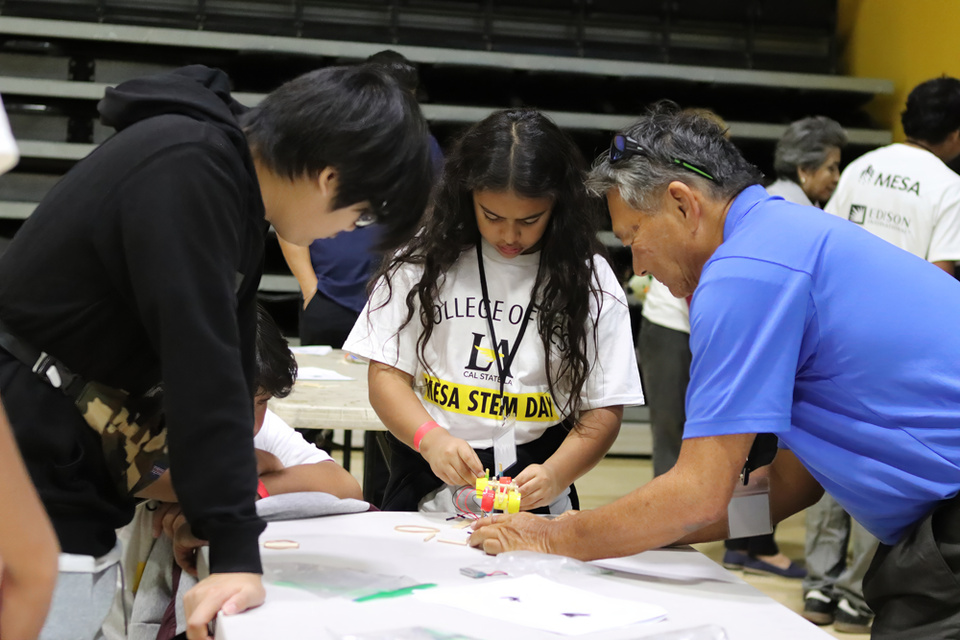
Participants also had the opportunity to take part in hands-on workshops and coding activities.
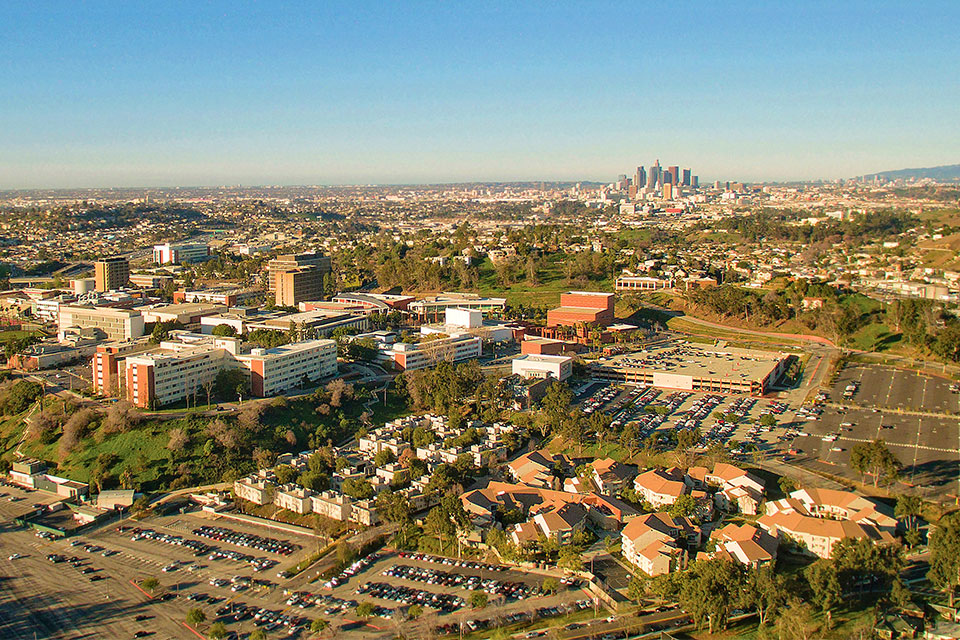
The event was hosted by the Sikand Center for Sustainable and Intelligent Infrastructure (Sikand SITI Center), housed within Cal State LA’s College of ECST. The center supports multidisciplinary research, education, and professional development focused on urban sustainability and its components.